
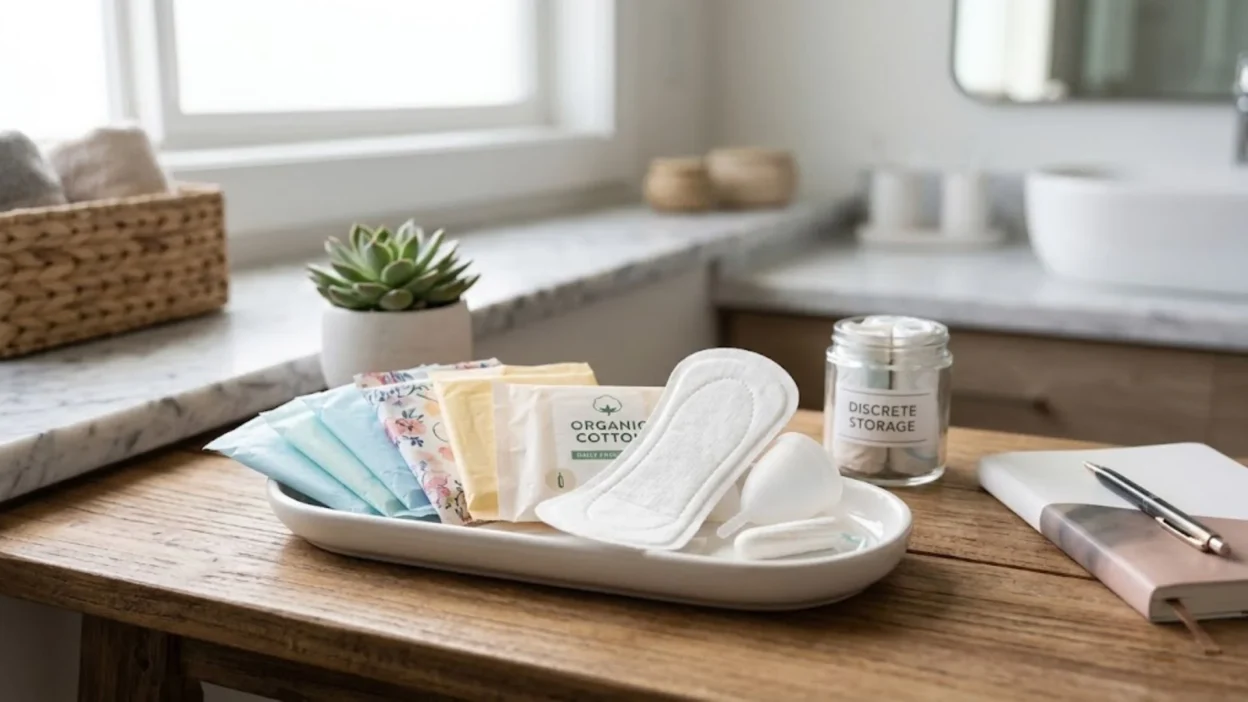
If you’ve ever stood in the feminine hygiene aisle staring at dozens of boxes wondering which one you actually need, you’re not alone. A panty liner is a thin, lightweight pad designed to absorb light discharge, spotting, or moisture — without the bulk of a regular sanitary pad. Unlike menstrual pads, liners aren’t built for period flow; they’re built for everyday comfort.
People reach for a panty liner for all kinds of reasons: light spotting between periods, daily discharge, backup protection with a tampon or menstrual cup, post-workout freshness, or even just peace of mind on a long day out. They’re small enough to wear discreetly under any outfit, yet effective enough to keep you feeling clean and confident from morning to night.
This guide breaks down everything worth knowing about panty liners — what they’re made of, when to use them, how to choose the right one, and the small details most articles skip, like skin sensitivity, environmental impact, and how liners differ across brands. By the end, you’ll know exactly which type fits your body and your day, without any of the guesswork.
What Is a Panty Liner and How Is It Different From a Pad?
It’s easy to lump panty liners and sanitary pads into the same category, but they’re designed for very different jobs. Understanding that difference is the first step to using either one correctly.
A panty liner is roughly one-third the thickness of a standard pad and holds far less liquid. It’s meant for light daily discharge, not menstrual flow. A pad, by contrast, is built with higher absorbency layers specifically to handle period blood over several hours.
Key Differences at a Glance
- Thickness: Liners are thin and flexible; pads are thicker with more absorbent core material.
- Absorbency: Liners handle light moisture; pads handle moderate to heavy flow.
- Purpose: Liners manage daily discharge or spotting; pads manage menstruation.
- Comfort: Liners are barely noticeable under clothing, even leggings or fitted pants.
When People Confuse the Two
A common mistake is relying on a liner during a heavy flow day, which leads to leaks because the liner simply isn’t built to absorb that much liquid. Knowing which product matches which situation prevents both discomfort and unnecessary worry.
Why Do People Use Panty Liners?
The reasons for using a liner are more varied than most people expect, and understanding them helps you decide if — and when — you need one.
Daily vaginal discharge is completely normal and is the body’s natural way of maintaining cleanliness and balance. For many people, a liner simply catches that discharge so underwear stays dry throughout the day. Others use liners as a backup with tampons or menstrual cups to prevent surprise leaks, especially on the lighter days at the start or end of a period.
Common Reasons to Wear a Panty Liner
- Managing everyday discharge
- Spotting between periods or during ovulation
- Backup protection with tampons, cups, or discs
- Light bladder leaks (though specialized bladder-leak liners are better suited for this)
- After gynecological procedures, as recommended by a doctor
- General freshness during workouts or hot weather
- The last few days of a period when flow is minimal
Types of Panty Liners Explained
Not all liners are created equal, and picking the wrong type is one of the most common reasons people feel liners are “uncomfortable” or “don’t work.”
Liners vary by material, shape, and thickness, and each variation serves a slightly different purpose. Some are designed purely for comfort during light days, while others are built with odor control or extra breathability in mind. Knowing the categories makes shopping far less overwhelming.
H3: Regular vs. Long Panty Liners
Regular liners are shorter and work well for daily use, while long liners extend further back for extra coverage — often preferred for the tail end of a period or for people who are more active during the day.
H3: Scented vs. Unscented Liners
Scented liners are marketed for odor control, but many gynecologists recommend unscented options since added fragrance can sometimes irritate sensitive skin.
H3: Cotton vs. Synthetic Liners
Cotton-topped liners are softer and more breathable, making them a better choice for people with sensitive skin, while synthetic-top liners are often more affordable and widely available.
How to Choose the Right Panty Liner for Your Body
Not every liner fits every body the same way, which is why so many people give up on liners after one bad experience with the wrong type.
Body shape, activity level, skin sensitivity, and even the season can all affect which liner feels comfortable. Someone who exercises daily may need a more breathable, moisture-wicking option, while someone with sensitive skin should prioritize hypoallergenic, fragrance-free materials.
What to Check Before Buying
- Material (cotton-based options reduce irritation risk)
- Fragrance-free if you have sensitive skin
- Breathable, non-plastic-backed designs for daily wear
- Adhesive strip quality so it stays in place
- Individually wrapped liners for travel and discretion
How to Use a Panty Liner Correctly
Using a liner seems simple, but small mistakes can lead to discomfort, shifting, or reduced effectiveness.
Placement matters more than most people realize. A liner should sit centered in the underwear, adhesive side down, smoothed out so there are no wrinkles that could cause friction. Wearing time also matters — liners aren’t meant to be worn for extended periods without changing.
Step-by-Step Usage Tips
- Peel off the backing and press the liner into the center of your underwear
- Smooth it out to avoid bunching or shifting during movement
- Change it every 4 to 6 hours, or sooner if needed
- Avoid wearing the same liner overnight for extended periods
- Dispose of it in the trash, never flush it down the toilet
Panty Liners and Skin Sensitivity
For some people, liners cause irritation, and it’s rarely the liner itself that’s the problem — it’s usually the material or how long it’s worn.
Prolonged moisture trapped against the skin, combined with synthetic materials or added fragrance, can lead to redness, itching, or even mild rashes for sensitive skin types. This doesn’t mean liners are unsafe; it usually means a switch in material or a shorter wear time solves the issue.
Signs You May Need a Different Liner
- Redness or itching after a few hours of wear
- A liner that feels overly plasticky or non-breathable
- Increased irritation with scented varieties
- Discomfort that improves once you switch to cotton-based liners
Are Panty Liners Safe for Daily Use?
This is one of the most searched questions about liners, and the honest answer is: it depends on the type and how often you change it.
Most gynecologists agree that liners are safe for daily use as long as they’re changed regularly and you choose breathable materials. The concern isn’t the liner itself, but wearing the same one for too long, which can trap moisture and disrupt the natural balance of bacteria.
Best Practices for Daily Wear
- Change your liner every 4–6 hours
- Avoid liners with heavy fragrance if worn daily
- Choose breathable, cotton-top options for extended daily use
- Take liner-free breaks overnight when possible
Environmental Impact and Reusable Panty Liner Options
More people are asking about the environmental side of feminine hygiene products, and panty liners are no exception.
Disposable liners contribute to landfill waste since most contain a mix of synthetic materials that don’t fully biodegrade. For anyone looking to reduce waste, reusable cloth liners have become a popular, washable alternative that performs similarly for light discharge days.
Eco-Friendly Alternatives to Consider
- Reusable cloth liners (washable and long-lasting)
- Biodegradable or plastic-free disposable liners
- Organic cotton liners with compostable packaging
Common Myths About Panty Liners
A lot of misinformation circulates around liners, and clearing it up helps people make better, more confident choices.
Some myths cause unnecessary worry, while others lead people to misuse the product entirely. Separating fact from fiction is worth a few extra minutes of reading.
Myth vs. Fact
- Myth: Liners can be worn as a substitute for pads during your period. Fact: They lack the absorbency to handle real flow safely.
- Myth: Wearing a liner every single day causes infections. Fact: Infections are more linked to poor breathability or infrequent changing, not liners themselves.
- Myth: All liners are the same. Fact: Material, shape, and breathability vary significantly between brands.
FAQs
1. Can I wear a panty liner every day? Yes, as long as you change it regularly (every 4–6 hours) and choose a breathable material. Daily use is considered safe for most people. ✅
2. Do panty liners help with odor? They can help by absorbing discharge before it lingers, but persistent unusual odor should always be checked by a doctor, since liners aren’t a treatment for underlying issues.
3. Can teenagers use panty liners? Yes, panty liners are commonly recommended for teens experiencing discharge or the lighter days of a period, as they’re gentler than full pads.
4. Is it normal to need a liner every day? Yes, daily discharge is a normal bodily function for many people. If the amount changes suddenly or has an unusual color or smell, it’s worth mentioning to a healthcare provider.
5. Can panty liners cause yeast infections? Liners themselves don’t cause infections, but wearing the same one too long without changing can trap moisture, which may contribute to irritation in some people.
6. What’s the difference between a liner and a bladder-leak pad? Bladder-leak pads are designed specifically to absorb urine and neutralize its odor, while regular liners are made for discharge and aren’t built for that purpose.
7. Can I wear a liner while swimming? Regular liners aren’t designed for water since they lose their adhesion and absorbency when wet. There are no reliable “swim liners” on the market for this use.
8. How often should I change my panty liner? Every 4 to 6 hours is the general guideline, though it can vary based on your activity level and how much discharge you naturally produce.

Dylan Foster is a relationship content writer and communication enthusiast with a passion for helping people build confidence in dating and social interactions. He specializes in pickup lines, flirty texts, conversation starters, and modern relationship advice.